The story
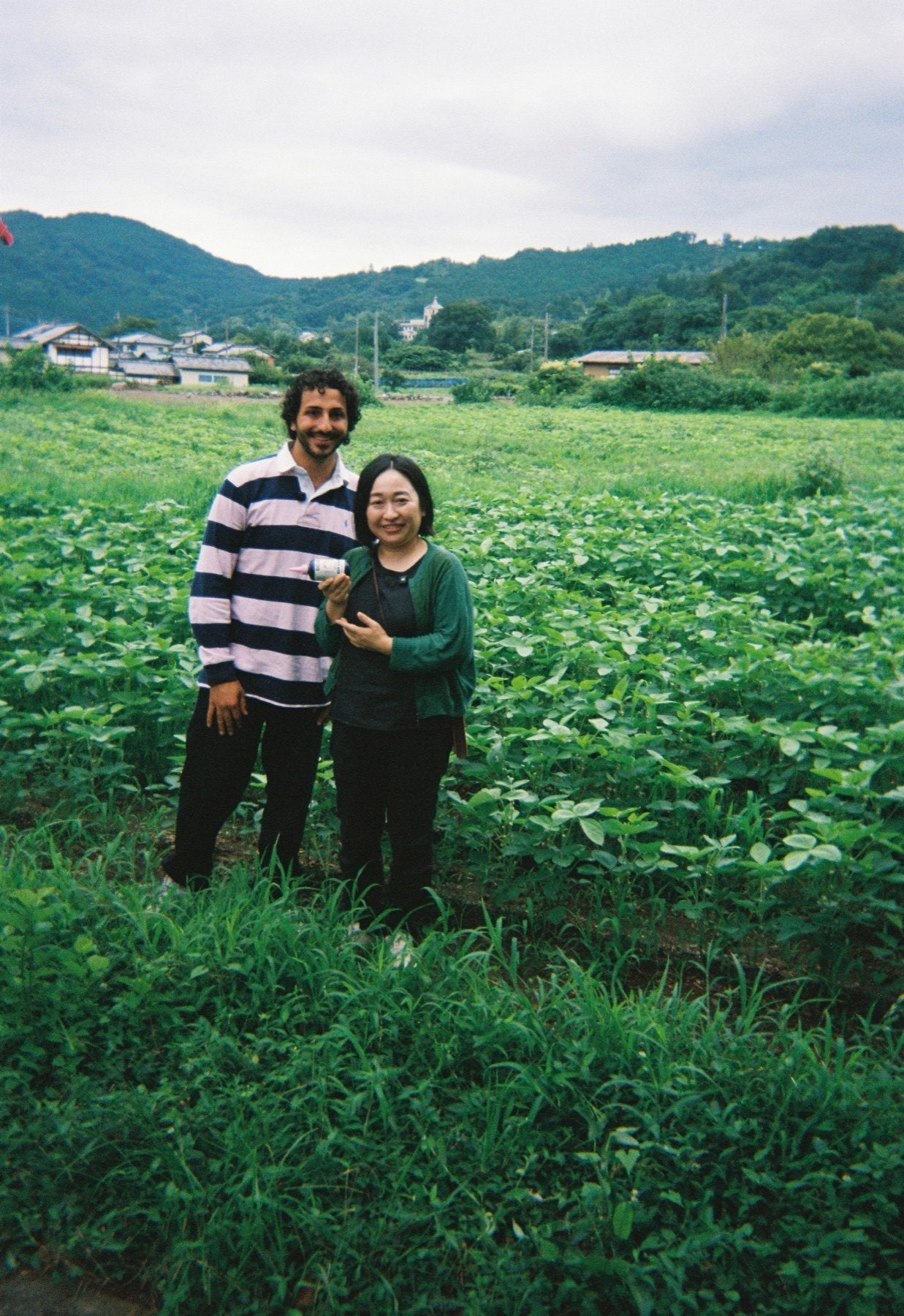
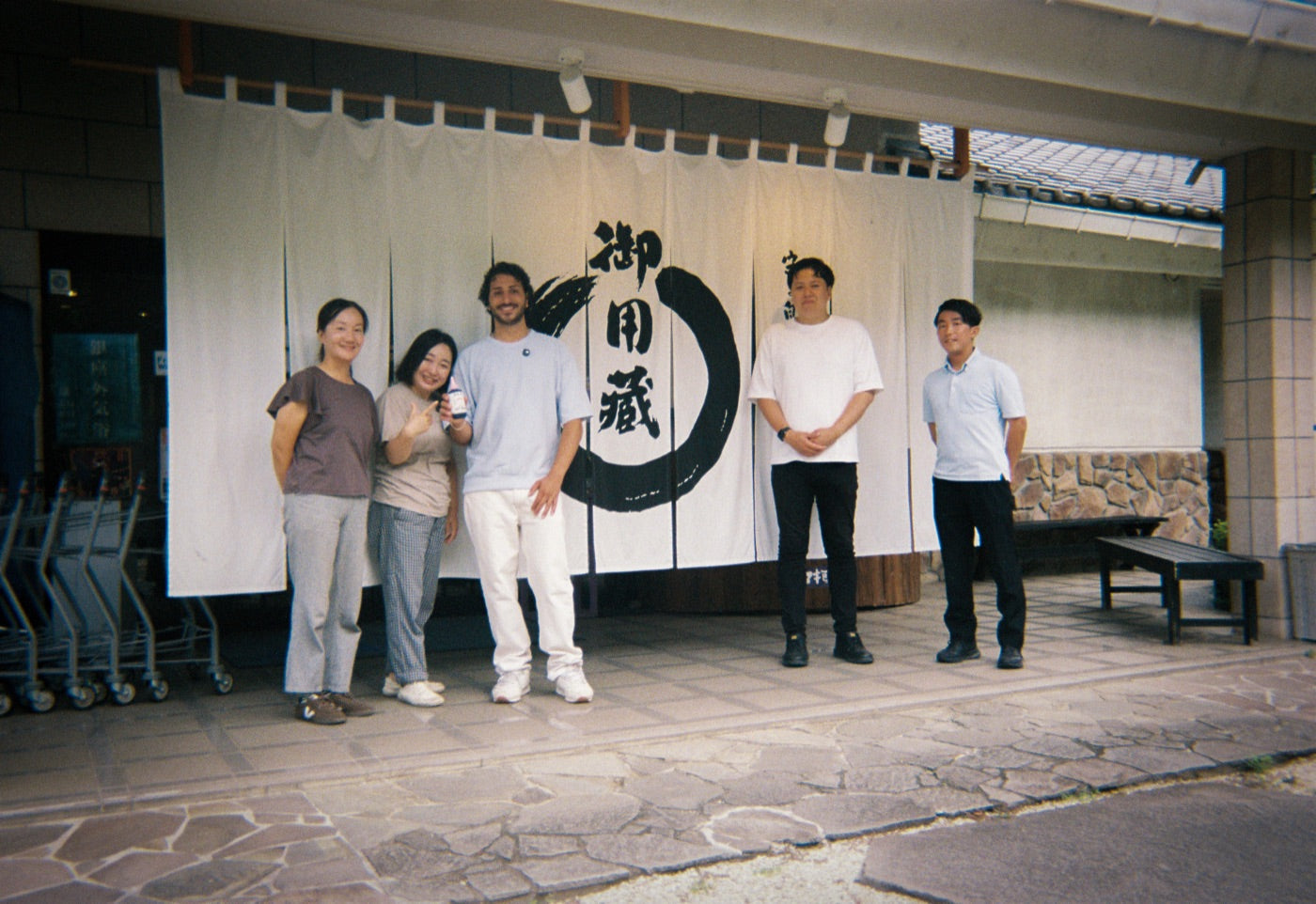
In 1902, a young koji maker opened a small workshop in Kamikawa, a mountain town about two hours north of Tokyo. He was not building a company. The farmers around him brought in their own soybeans and wheat after harvest and asked him to turn it into soy sauce and miso for their families. He did. They still have a word for that arrangement. Goyogura, roughly the brewery that makes what it is asked to make.
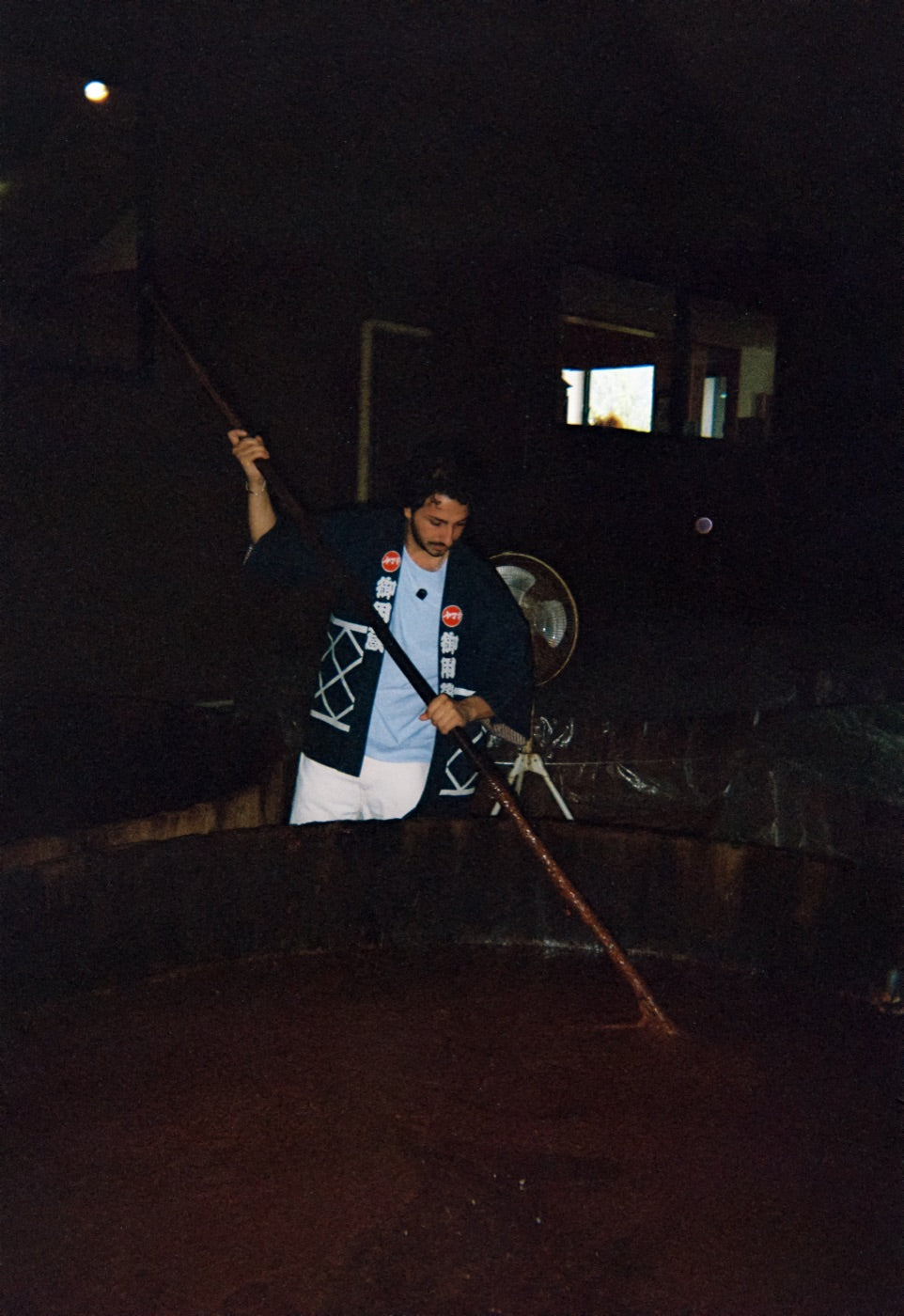
Five generations later the same family is still there. Today it is run by two sisters, and Mami is the one in charge. Everything in the brewhouse is done by hand. The koji is turned by hand, the mash is stirred by hand, and the people who make your soy sauce will feed you lunch afterward.
The Mountain
At the edge of town stands a shrine roughly 1,900 years old. It has no main hall and no statue inside it. Only three shrines left in Japan are built this way. There is nothing indoors to bow to, so the worship hall simply opens toward the peak behind it. The mountain is what people come to pray to.
For nineteen centuries this valley has treated the mountain as something alive and owed. It sets the weather, the harvest, and the water, and the town has arranged itself around that for longer than most countries have existed.
The brewery keeps its own version of the practice. Every morning someone drives up the mountain with large containers, fills them at the spring near the top, and carries the water back down to the brewhouse. Every day, in every season, before anything else happens. There is no pipeline and no tap. If the water does not come down the mountain, no soy sauce gets made that day.
That water is why this shoyu tastes clean instead of harsh. It is soft, it comes out of rock and forest, and it is the largest single ingredient in the bottle.
The last barrels
A century and a half ago, every drop of soy sauce in Japan was fermented in giant cedar barrels called kioke. Today less than one percent is. Roughly 900 of Japan's 1,000 soy sauce makers moved to steel and plastic tanks because tanks are cheaper, faster, and easier to clean. A cedar barrel lasts 100 to 150 years, and there are almost no coopers left who know how to build a new one.
This family never switched. Their barrels are older than anyone working in the room, and the yeast and bacteria living in that wood exist nowhere else on earth. When barrels like these go, that flavor goes with them.